

This infamous sound is becoming more common in high school sports, though many are still unaware of its impacts physically and mentally.
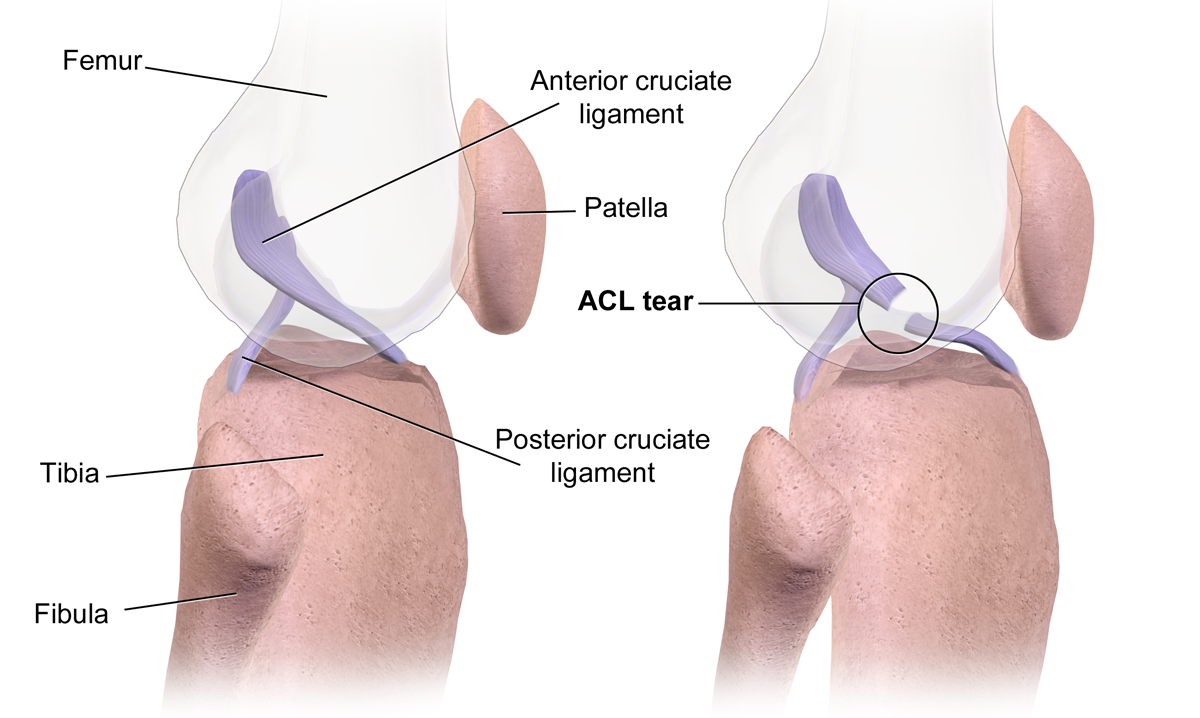
The anterior cruciate ligament, also known as the ACL, is the most important stabilizing ligament in your knee and is often marked by a prominent pop when torn.
Most ACLs are torn during pivoting or jumping motions, largely due to the fact that the ACL’s job is to keep the knee in place during front-to-back motions and rotation. The injury rate for torn ACLs peaks in the high school age range, with 25% of all tears happening to teens under 18.
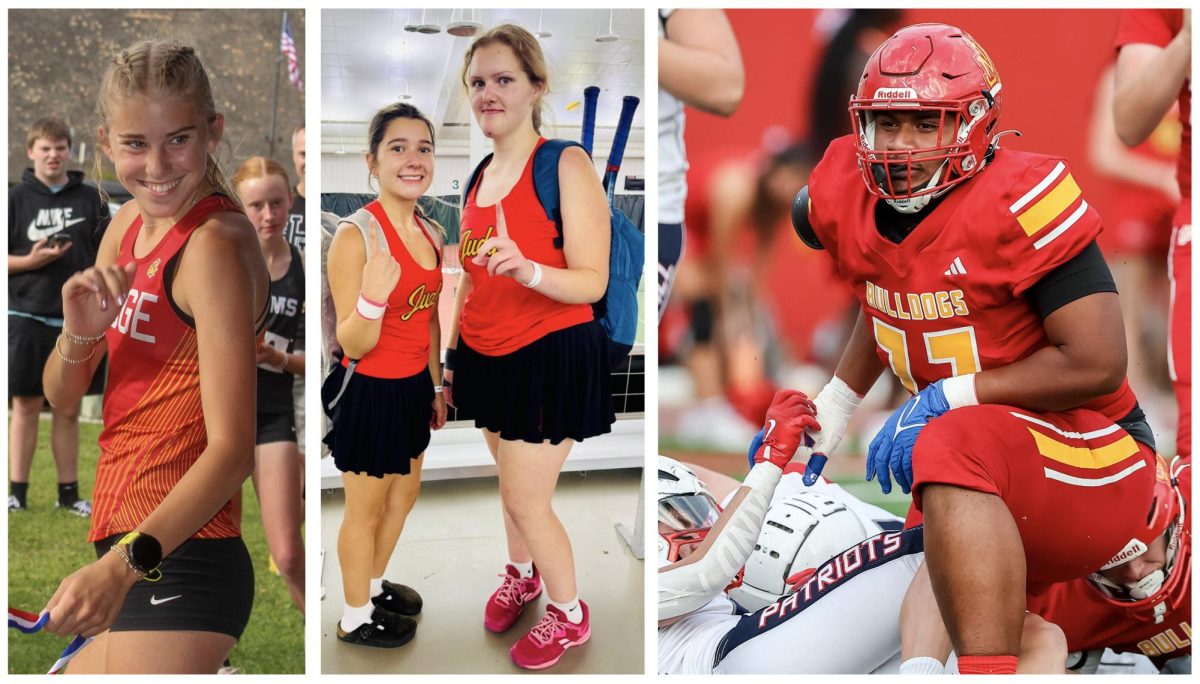
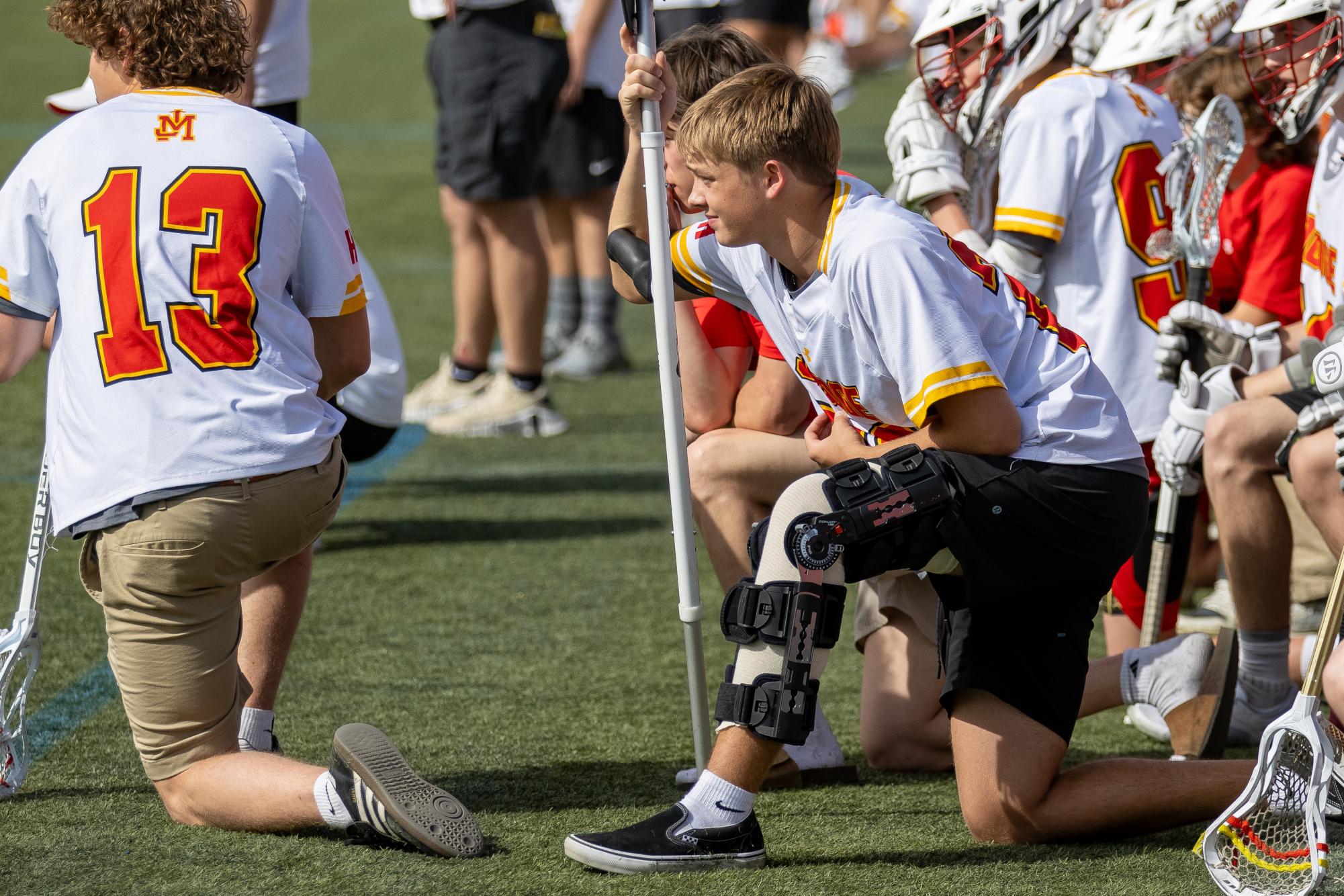
This is a prevalent trend we have seen in our own school.
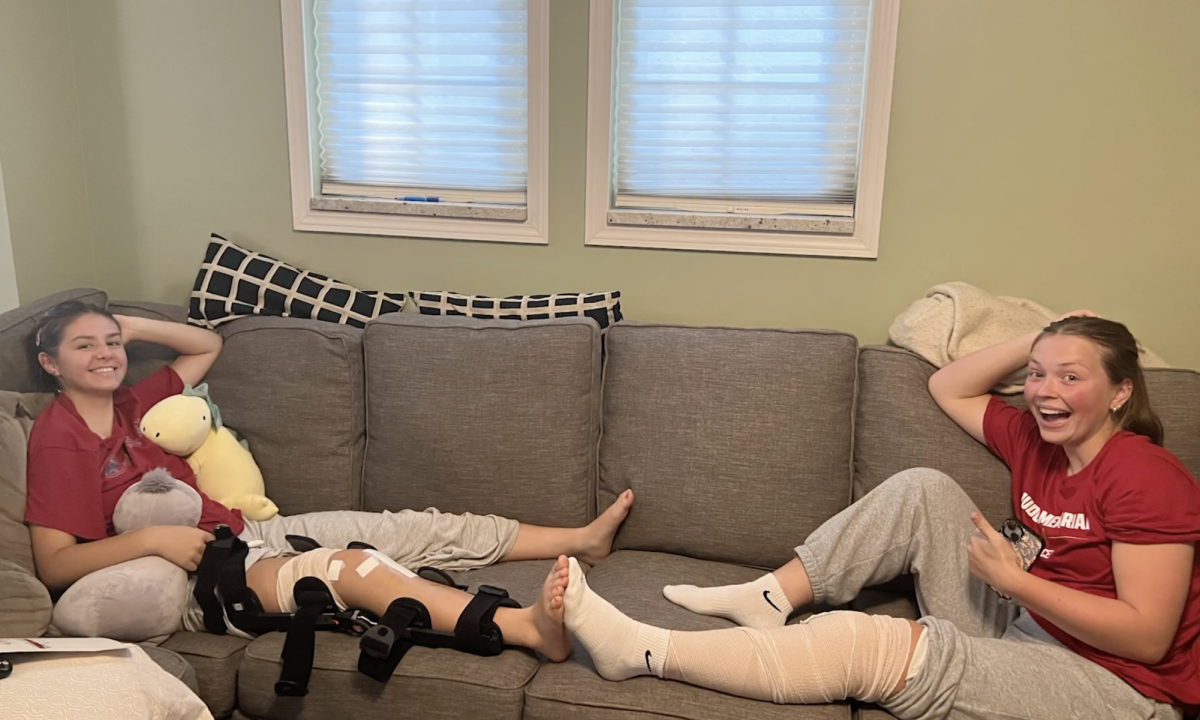
For these athletes, it’s been a long road to recovery filled with all kinds of highs and lows.
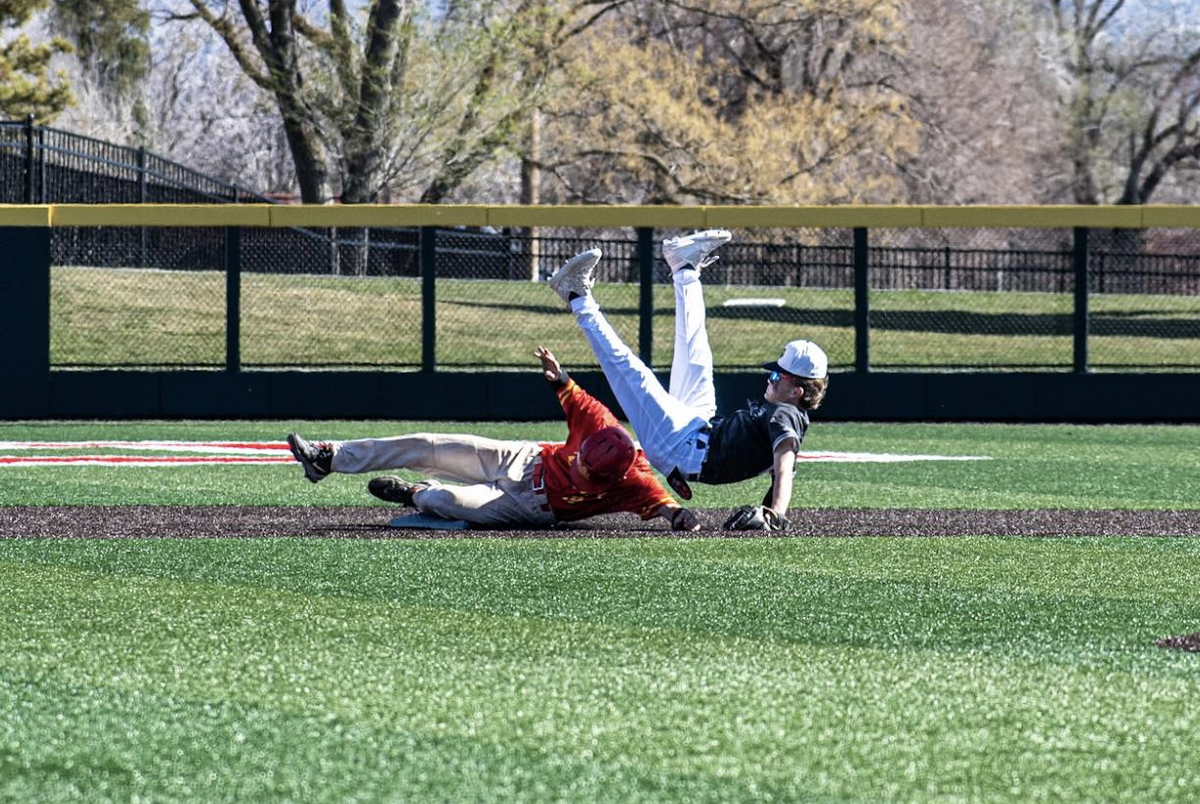
“I’m doing everything in my power to be ready for my senior year,” Matthew said. “It’s been nice to have the goals and the deadlines pass by, getting to be able to walk again and not have to use the crutches, and then getting the brace off was great.”
“I just take it one day at a time, just keep going because it’s just a long process,” he said. “No matter what, they make you wait nine months. So just you gotta keep going. If you do your stuff every day, by the time that nine months gets passed, you’ll be ready to go.”
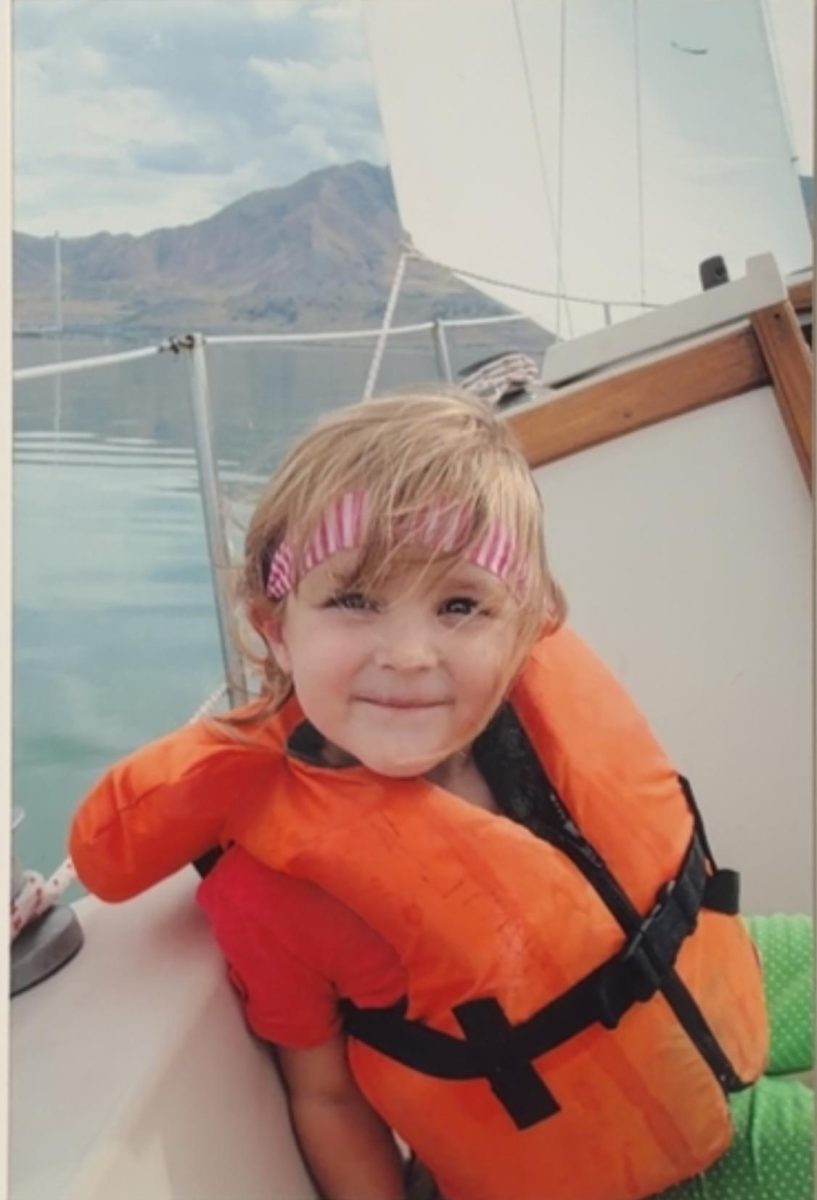
Tessa Fowler remembers doing everything she could to make the best of a bad situation, specifically by finding new creative outlets and by staying involved with her teams.
“I really focused on doing the little things that I could and staying involved with the sport, so I helped coach the younger youth teams,” Tessa said. “My advice for people going through the same thing is stay involved. Find other things that you are passionate about. Try something new, because that really helps.”
“I found interest in the science part of injury and recovery, especially in women, because they’re not researched as much.”
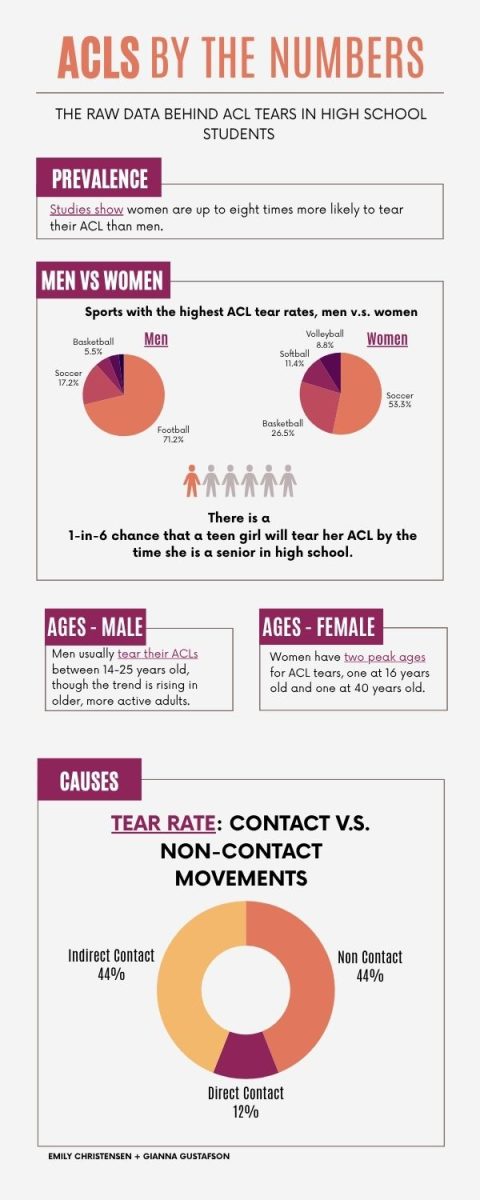
Research has shown that the ACL tear rate in teenagers is swiftly on the rise, specifically for young women.
Female athletes are more likely to tear their ACL as male athletes, and the number can reach up to eight times more likely, often due to differences in the knee structure and muscle building.
Different quad-to-hamstring ratios and alignment differences compared to men can account for the higher ACL tear numbers in women.
Alyssa Hunt from the Loma Linda University of Health found that ACL tears account for 14% of all injuries in teen athletes and 4% of all professional athletes. The injury is most common in non-contact cutting or pivoting movements, especially in sports such as soccer, skiing, football, and basketball.
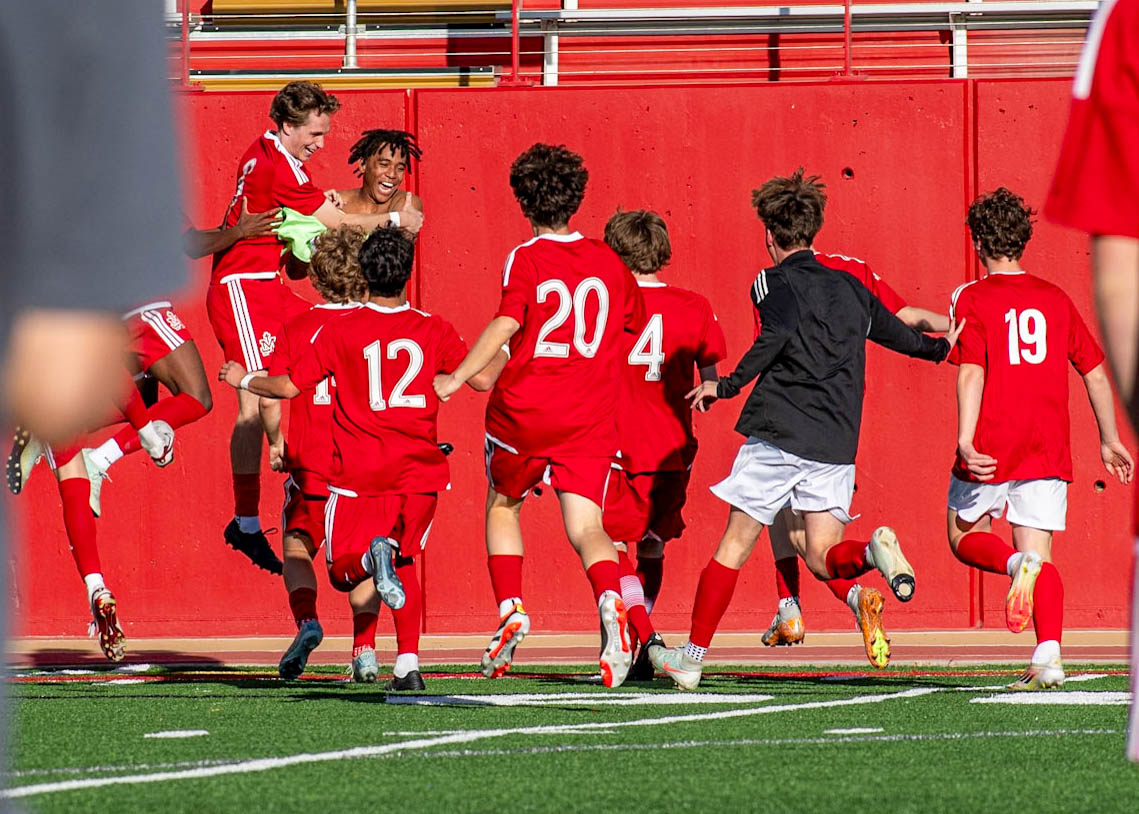
Hunt found that nearly a third of preteen and teen soccer players will sustain an ACL tear.
The physical recovery process for an ACL tear typically spans about nine months to a year, but the mental side of recovery is often a different story.

Judge’s athletic trainer, Jenny Nolan, believes that one of the best things you can have is a strong support system.
“You need to make sure you have people around you who can support you and be there when you have those low moments, but also be there when you have those great successes.”
She said that it is important to have a determined mindset, that it is a long-haul rehab, and that being persistent and committed is key to recovery.
“My mental health. It’s doing okay,” Gianna said. “I’m just telling myself that you’re going to get through it, and it’s going to be fine. My passion is definitely still there, and I am excited to be back on the field.”
The top three pieces of advice from these athletes are to take it one day at a time, never compare your journey to anyone else’s, and to find other passions that interest you.
After tearing her first ACL, Tessa learned how to play the bass guitar, and it became a hobby that carried her through both tears and recoveries.
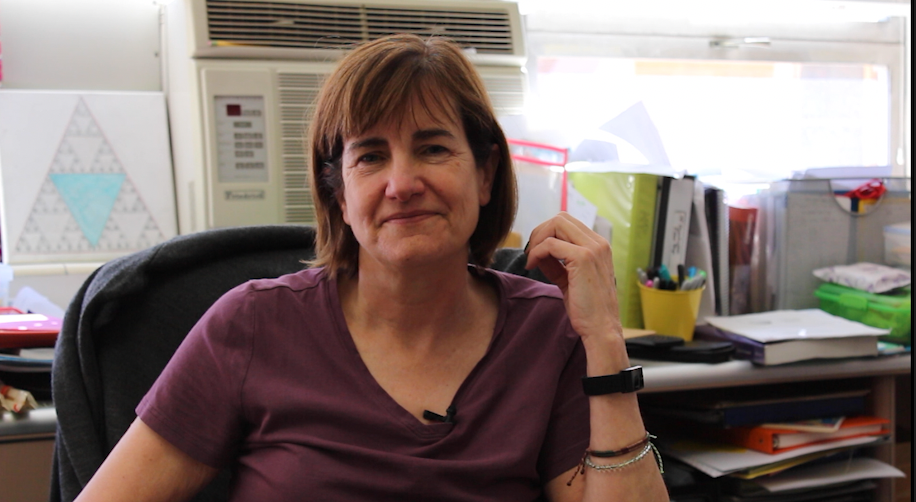
Emily noted that throughout her injuries, she found an interest in the medical field and hopes to become an orthopaedic surgeon to one day help those who are going through the same experiences she went through.
A torn ACL is not the end of anyone’s journey. In fact, it can teach valuable lessons about perseverance and can open up new paths to follow.
Your donation will support the student journalists of Judge Memorial Catholic High School. Your contribution will allow us to purchase equipment and cover our annual website hosting costs.