





















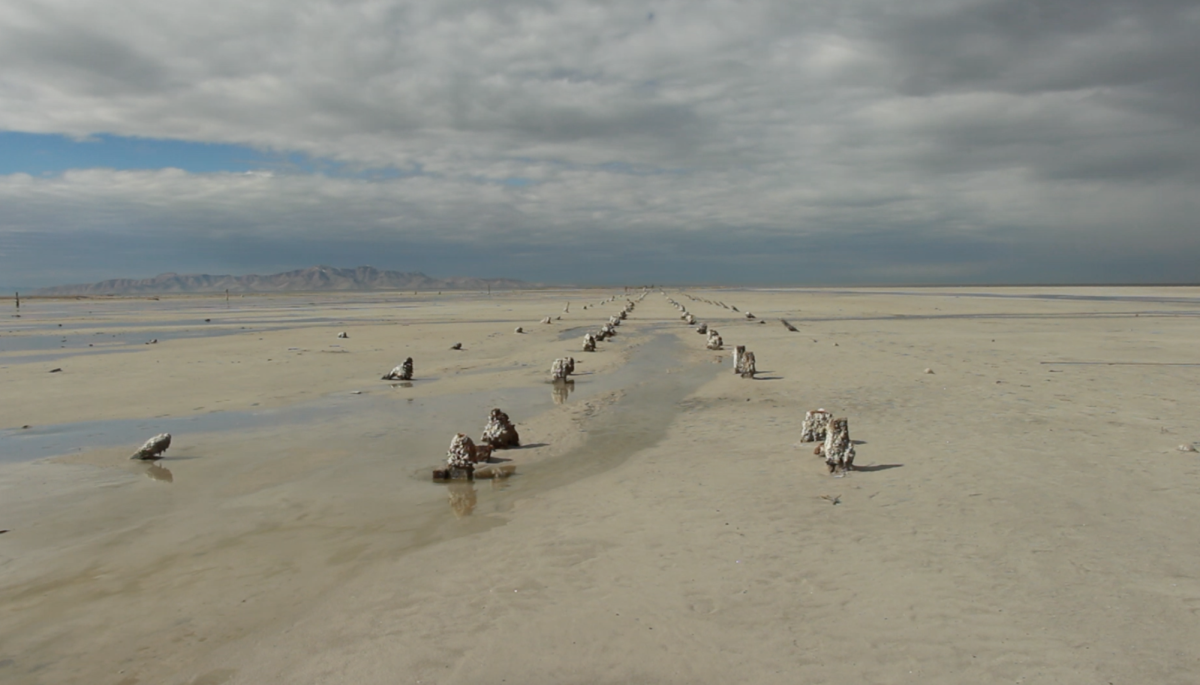

Is our Great Salt Lake being only about 36% full enough to establish concern in your mind?
As time passes, we see more clearly that this statewide water dilemma is becoming increasingly detrimental to our communities as a whole. For many residents, this once distant shrinking lake situation has now turned into a more urgent crisis and call for action.
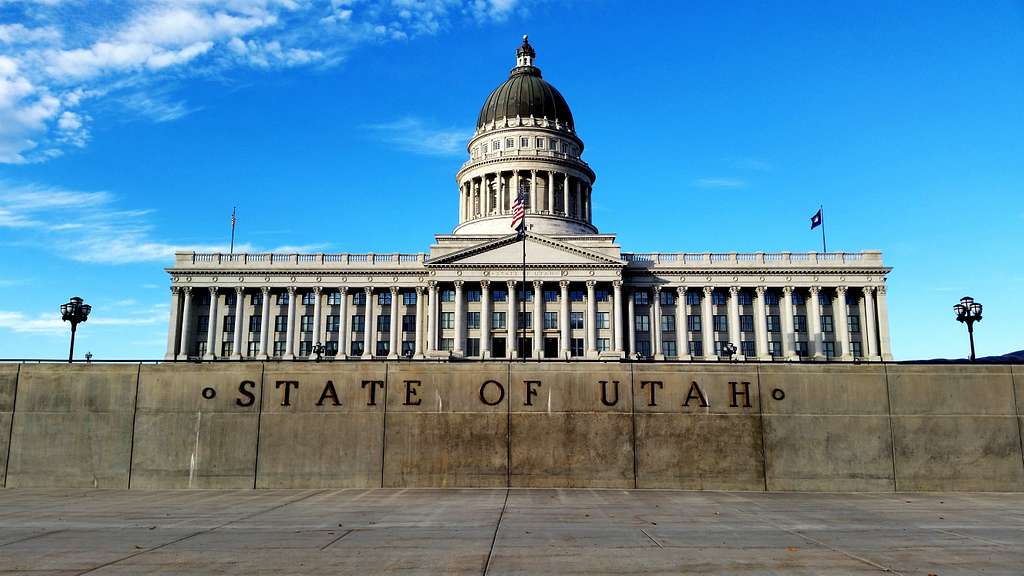
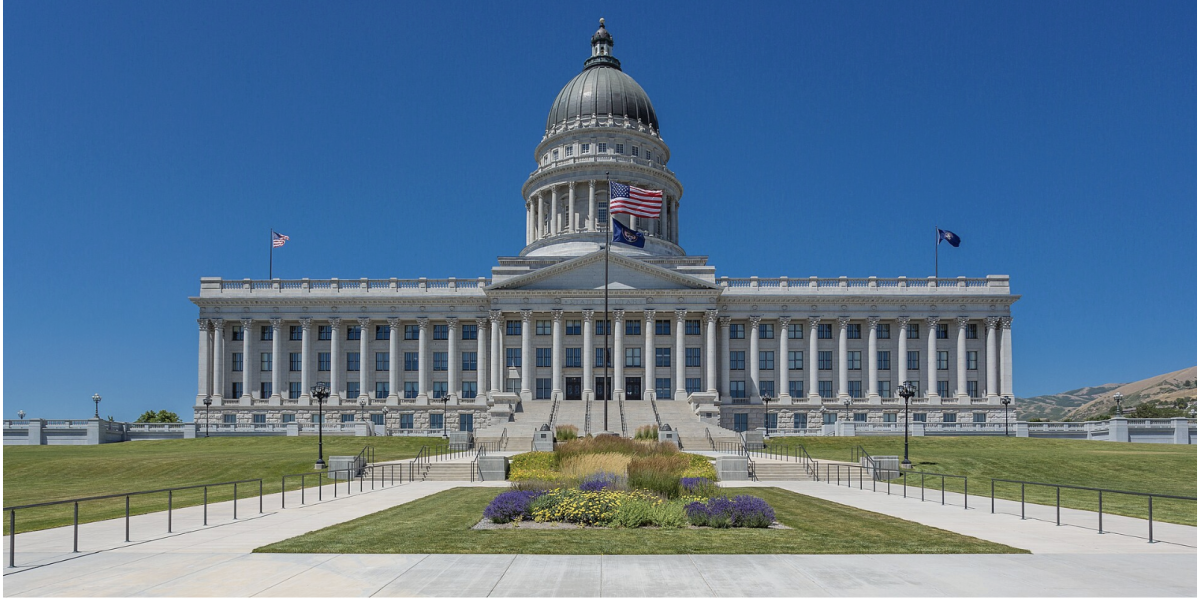
The goal of House Bill 296, Water Commitment Amendments, is to permit efficient and reasonable water efforts and prioritize refilling the lake over time. Sponsored by state representative Hoang Nguyen, the bill concerns the protection of Utah’s most vital natural resource.
The shrinking of the Great Salt Lake is much more than environmental headlines. In fact, it has a significant influence on our wildlife habitats, air quality, the economy and our public health collectively.
Low lake levels cause more exposure to toxic lakebed dust. This dust is known to not only aggravate our air, but also to be a large factor to serious respiratory illnesses, whether that is children, seniors, or individuals with existing chronic health conditions.
Having lived in Utah my entire life, I’ve been fortunate enough to appreciate our lakes and rivers firsthand, often from a boat.
Water is what I see in my future, my ongoing enjoyments and experiences. Not only am I drawn to the conservation of our waters for recreational purposes, but I also have a deep sense of the health of our lives now and in the near future.
Additionally, a big part of my dad’s career involved working in the brine shrimp industry for the Great Salt Lake.
Because of the lake’s unique characteristics, it produces brine shrimp eggs that support global aquaculture industries. This industry is highly regulated to protect economic interests and even preserve special migratory bird populations.
Another big factor of the lake’s insecurities is agriculture. Local farmers and ranchers use large amounts of water for their lands and animals. While it is essential for growth, much of the water doesn’t need to be going to the fields as much as we think it does. Homeowners, farmers, workers, and civilians are already feeling the strain of the dying lake in various ways.
So what ideas are there for solutions?
Two ideas for reviving the GSL are to reduce upstream diversions that come from such water intensive projects. Another idea might be to implement water leasing rights, where the state can pay farmers, districts and water companies to lease their water temporarily.
According to the Utah State Legislature, conservation plans include more water efficient industrial and commercial processes, solidified water incentives and potable/unpotable water reuse systems.
I think the best thing we can do is to show up, listen, and learn from our communities that are devoted to this important topic. We as humans are more prone to defending something we care about, but in this instance your care can be better developed especially being a Utah resident.
Change does happen within the legislatures, but it must start with our communities.
Consider rescaping your lawn from high maintenance grasses to native Utah drought-friendly plants! Not only is this reducing maintenance, but it’s overall supporting the health of our local lake.
Through economic and environmental standpoints, Utah cannot afford the ignorance of our shrinking GSL. Protecting this prime resource must now be a priority. This bill is set to take effect on May 6, 2026.
In the meantime, listen to your local advocates, watch environmental documentaries, analyze our history, do what you can do! Our future depends on this, and we must accept it inclusively now.