





























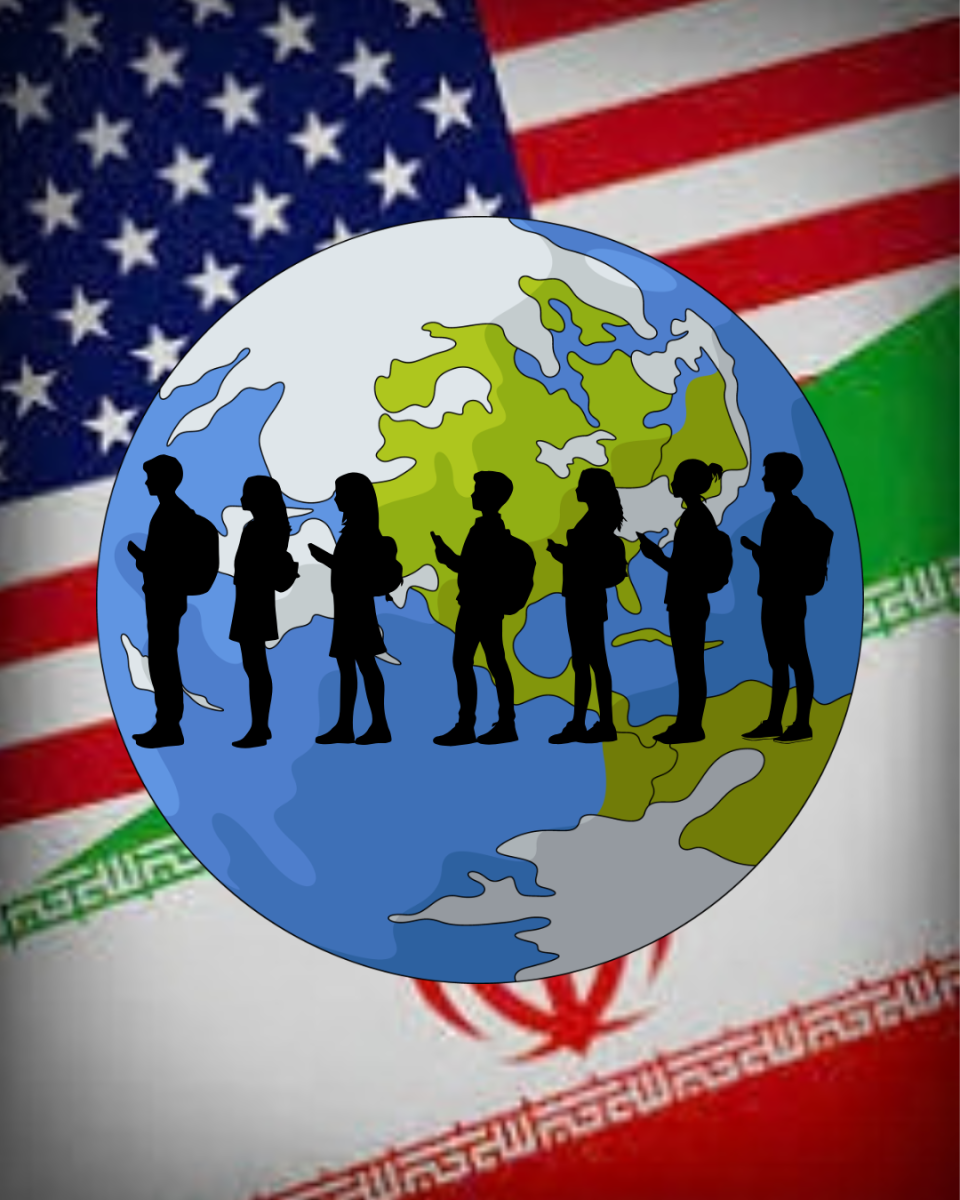
On February 28, the U.S began “Operation Epic Fury” in an effort to destroy Iran’s missile and nuclear operations, while seeking a change in the leadership of Iran. Iran is currently the only nation to be ruled by a theocracy known as the Islamic Republic of Iran. Iran’s supreme leader, Khamenei, was killed in early strikes in an effort to remove leaders who were deemed as world threats.
Since the beginning of the war 17,000 people in Iran have been injured, and up to 3.2 million Iranians have been displaced, while seven U.S troops have perished. Donald Trump has stated that he hopes to keep Iranian civilian and U.S deaths “to a minimum.” In response to the current administration being asked about a draft, they will “not remove options off the table.”
In these early moments of the conflict, the world has seen a 22% rise in gas prices, as oil has reached a record-high price per barrel since 2022 following Russia’s invasion of Ukraine. In the current fossil-fueled world, gas prices affect almost all populations across the globe. Likewise, students, especially in high school and college, will have to reckon with rising prices and come up with personal solutions as gas prices are estimated to reach $4.00.
While Iran, Israel, and the U.S. are primary participants in the war, the rest of the Middle East is not free from economic strife. The tourism and aviation industries of countries surrounding Israel and Iran, such as Saudi Arabia and Turkey, have fallen victim to the crossfires, as well as a hit to their economies from airspace closures and attacks on energy infrastructure.
While prices will continue to rise, especially in the early stages of this war, for the time being, there are few repercussions that spread further.