





























In a political moment shaped by frustration, protest, and renewed youth engagement, the question arises: Is “woke” back? Recent Democratic victories, including Zohran Mamdani’s historic win in New York, suggest that progressive, socially conscious politics are once again gaining traction, particularly among young voters. For many in Gen Z and younger millennials, being politically engaged, anti-authoritarian, and outspoken against injustice has become not only normalized but culturally influential. As discrimination against immigrants, people of color, and LGBTQ+ communities has intensified in recent years, young Americans are responding by organizing, voting, and protesting.
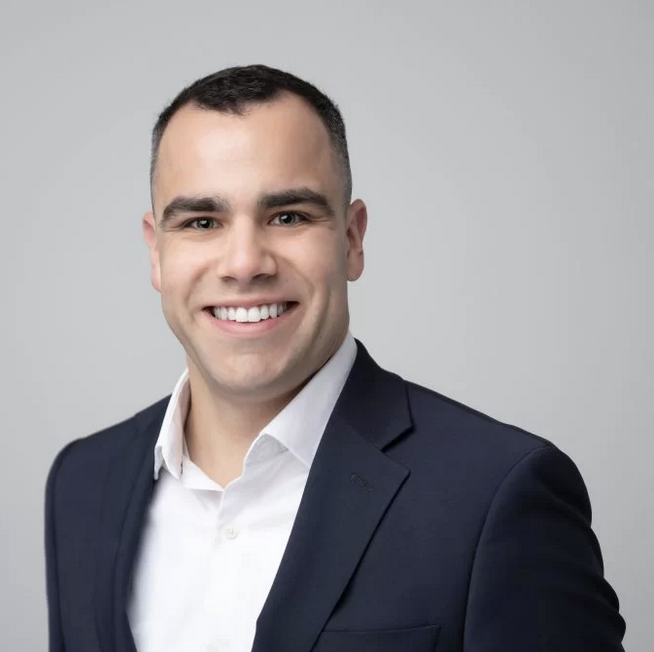
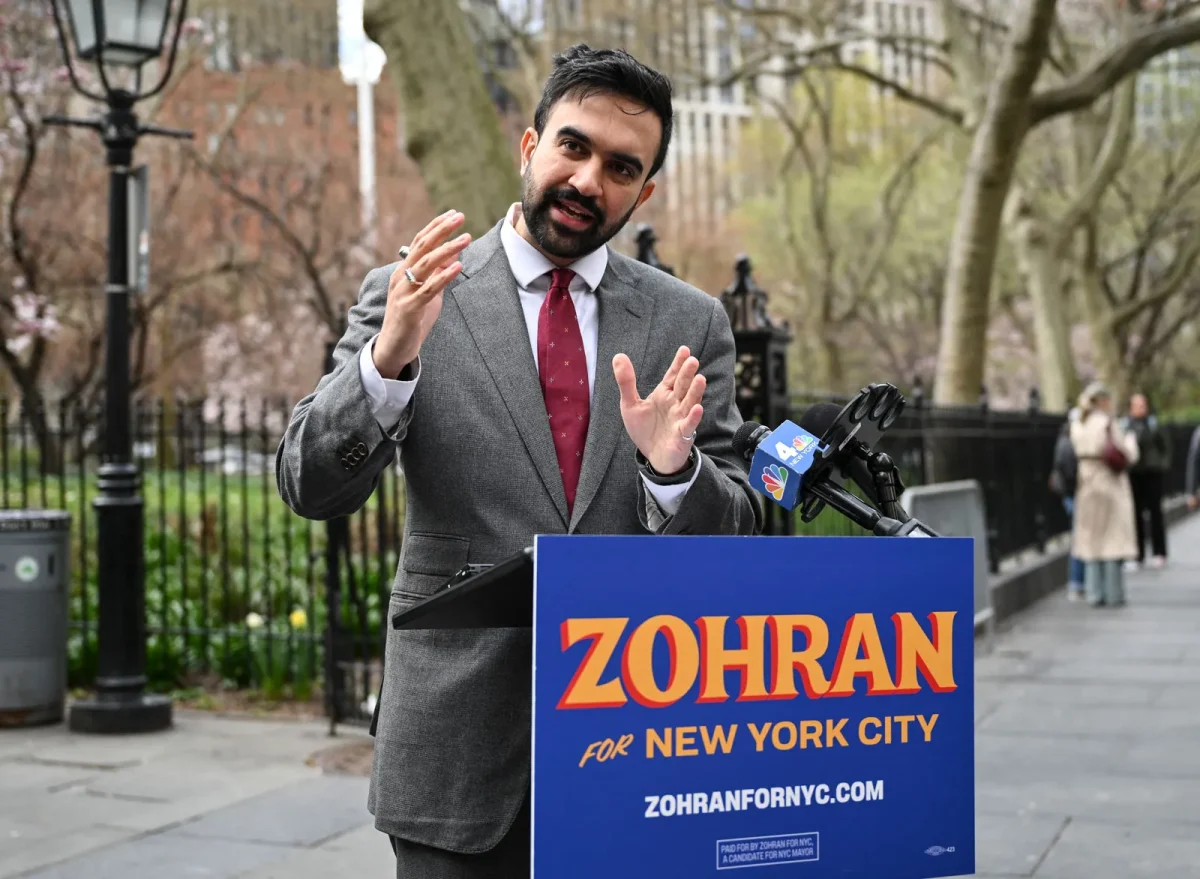
Zohran Mamdani’s campaign reflects this shift. A young, immigrant, Muslim Democratic Socialist, Mamdani has built a movement rooted in grassroots organizing, digital outreach, and unapologetic advocacy for reform. His focus on affordable housing, public transportation, education, and immigrants’ rights speaks directly to the lived realities of New Yorkers. As New York local and political science student Kennedy Deleeuw explains, “I think Mamdani’s campaign could really shift how politicians approach younger voters. I think he led by example in his social media, his community outreach … even down to the design of his campaign.” Rather than relying on short-term fixes or centrist compromise, Mamdani’s message emphasizes long-term structural change, resonating with many voters.

Mamdani’s victory is not isolated. Across the country, recent democratic wins, such as Abigail Spanberger’s election as Virginia’s first female governor, point to a broader realignment. Deleeuw connects these outcomes to a larger national mood, noting, “On a broader level, I do think the democratic wins across the nation suggest a change in who’s controlling the government … it feels hopeful … it seems like we’re moving in the right direction.”
Set against widespread protests, distrust in government institutions, and backlash to controversial policies under the trump administration, these victories signal more than party success- they reflect a generational demand for empathy, inclusion, and democratic participation. In that sense, the resurgence of “woke” politics is less about a trend and more about a response. Young people are pushing back, reclaiming civic power, and redefining what leadership looks like in America today.