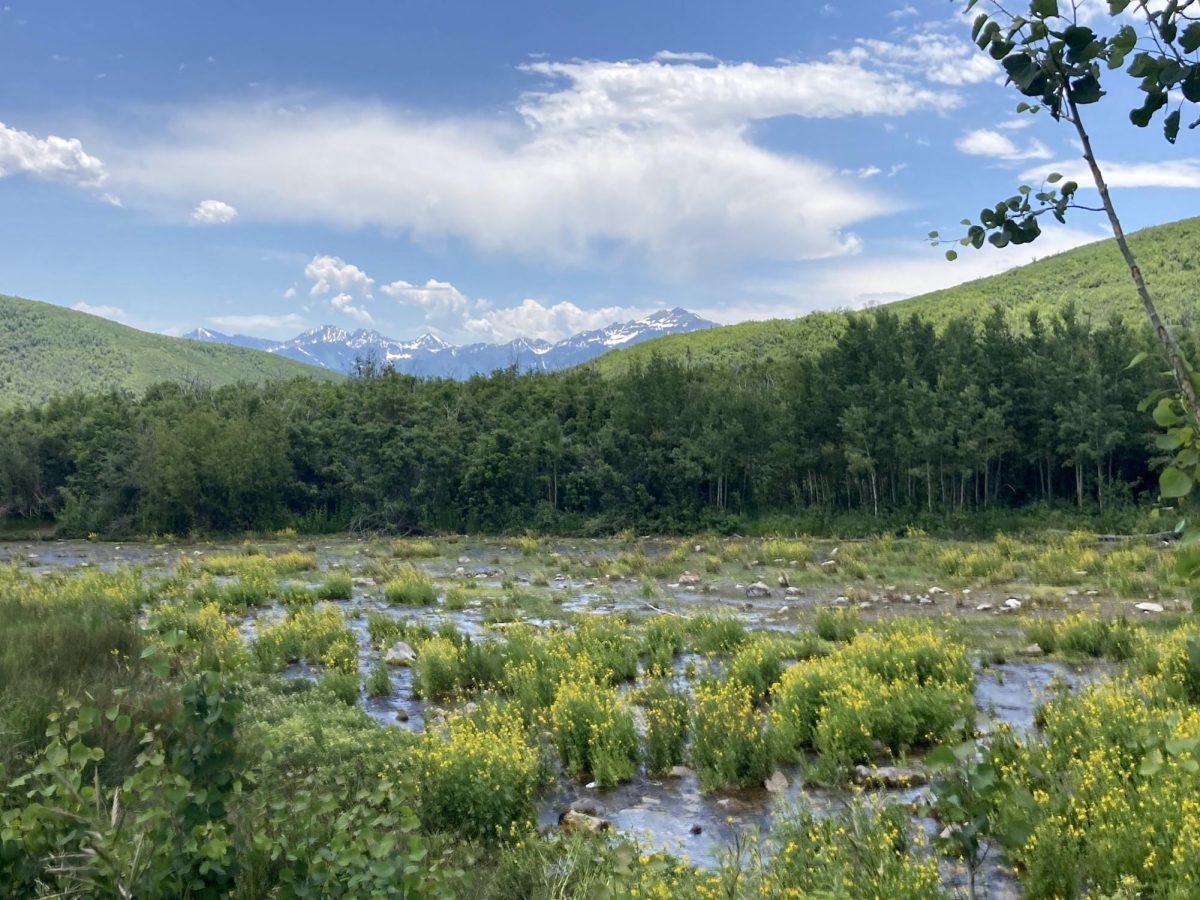
















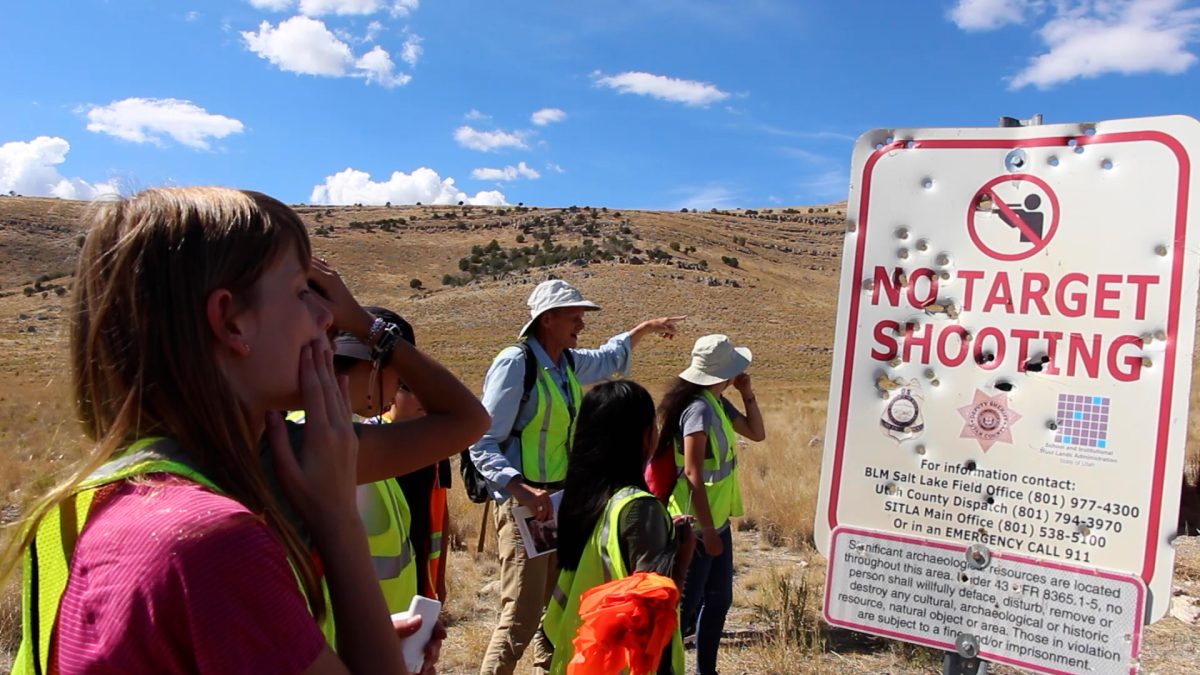





Every Friday in the fall, a group of middle school students from Blessed Sacrament head out to the shore of Utah Lake. Wearing bright yellow safety vests, these students aren’t just out for a hike, they’re documenting ancient Native American rock art in an effort to protect these treasures of our state’s past and the people who lived on it before us.
Through their discoveries, the students are uncovering not just ancient art, but connections between Utah’s past and their own identities.
“I joined to learn about the people before us in Utah and their culture,” Gabriel Herrera, a club member said.
“This is my first year doing it, and I find it really cool to just be out here in the wild looking at things in person,” club member Jaylene Mendiola said.
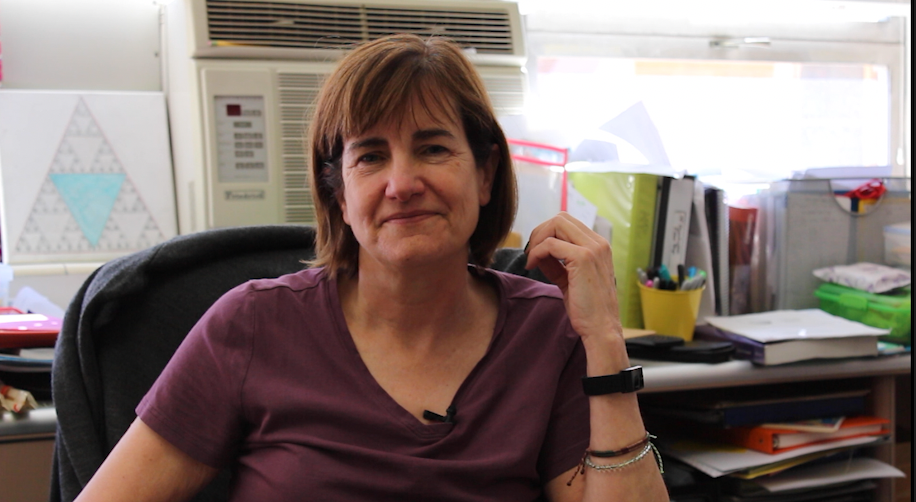
Guided by their teacher, John McHugh, the archeology club records, photographs, and reports on rock art sites to the Bureau of Land Management (BLM), helping protect the ancient art from vandalism and erosion. Mr. McHugh, who has a degree in archaeology with a specialty in archaeoastronomy, first started the club to allow students to have hands-on experience with archaeology and cultural preservation.
“These students do a great job preserving, conserving, protecting and studying this rock,” McHugh said. “And a lot of this stuff that they’ve made assertions about have turned out to be true, which is even kind of funnier, because I wasn’t listening to them at first. I thought they were too young, but I was wrong.”
In the face of vandalism, development, bullet-damage, and weathering from natural elements, the students are determined to protect the ancient art. Despite their age, they fully understand the importance of preserving the history of those who came before them, as well as the unethicalness of moving the site to make way for development. Especially coming from a younger generation, the care and awareness they harbor is essential to the continued conservation of the art.
“When people see kids out there, they care more about it. You’re more likely to listen to a 12 year-old who’s telling you the right way to be at a rock art site than some old guy like me,” McHugh said.
Some of the damage to the rock art is inadvertent, from people practicing target shooting who don’t know these treasures are all around them.
“We wear our yellow vests because when people go up shooting and they see these, they know that that’s a person, and they won’t shoot by them or near them,” Jaylene said. “And we wear these just to keep ourselves safe.”
For one club member, Emma Ashby, exploring these sites alongside her grandmother who helped chaperone the trip makes the experience even more meaningful.
“This is a bighorn sheep that I found while we were hiking out here one day,” Emma said, describing a piece of rock art that she discovered on one of the club’s outings. “It’s 90 to 100% repatinated, so it’s like 3,000 or 4,000 years old.”
“I’m Ute,” Emma said. “My grandma’s dad was half Ute, so it’s pretty special.” Emma’s family has lived in the region for generations.
Her grandmother said the rock art, “gets my heart every time I see it,” and hopes people understand its fragility and importance.
Through their Friday field trips these students understand why preserving these places matters, that rock art is an essential part of our history and something worth protecting, an awareness most adults don’t have.
“If you see something so great, please don’t destroy it,”Emma said. “It’s really special, and you might ruin it for a lot of people. So just please don’t.”