






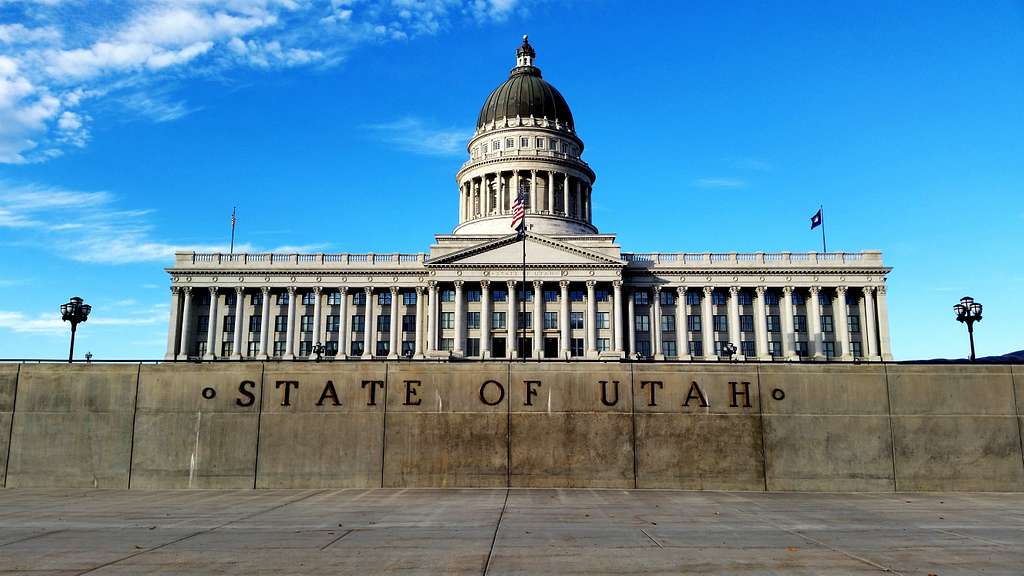
















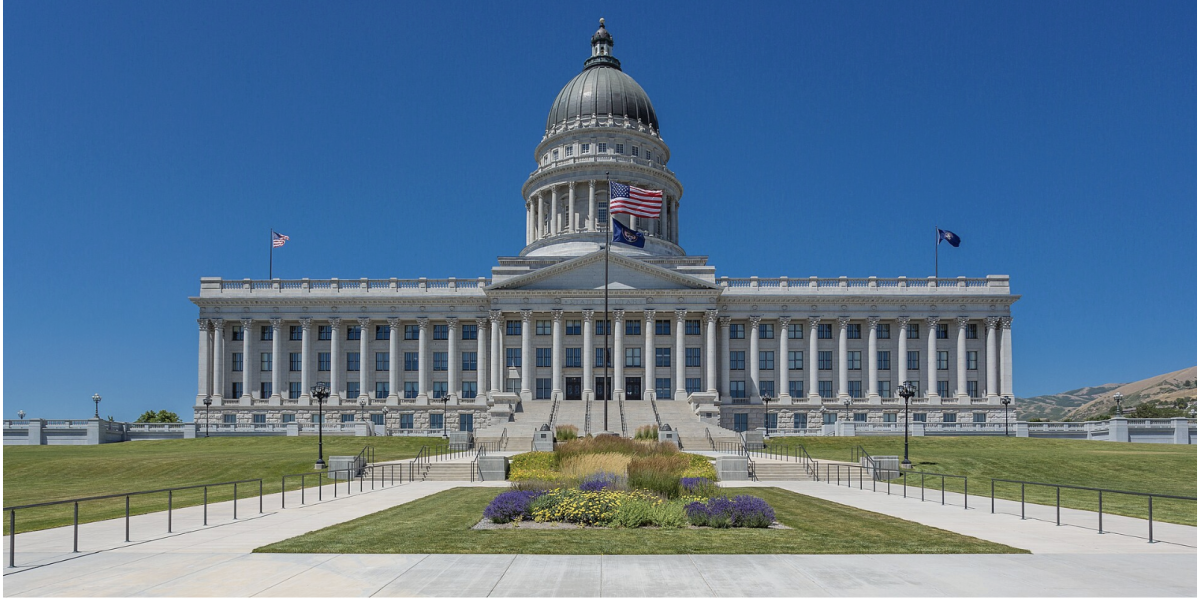










The 2026 Utah Legislature began its session on January 20, introducing over 850 bills.
Some of these bills can drastically change our state and have major impacts on high school students like us. Here are a few bills to check out during this legislative session, and it is crucial we remain up to date with what is going on with our government and provide as much input as possible.
Senate Bill 60
For the sixth consecutive year, Utah lawmakers have proposed a meaningful reduction in the tax burden for the state’s residents. Senate Bill 60 is a legislative proposal designed to lower Utah’s flat income tax rate from 4.5% to 4.45%.
While a decrease of 0.05% might appear negligible on a single paycheck, the aggregate impact is substantial. If passed, the bill is projected to yield over $101 million in total tax savings for the people of Utah. On an individual level, this equates to roughly $40 to $66 per year returned to the pocket of each Utahn.
However, this reduction in revenue does present a trade-off for state-managed resources.
Because Utah’s income tax is constitutionally earmarked for specific public services, government-funded initiatives are expected to see a shift in available capital. Specifically, programs such as the Childcare Sufficiency Fund and the Library Preservation Fund are estimated to see a combined reduction of approximately $1.5 million in funding due to this cut.
The bill’s primary architect, Senator Dan McCay, originally introduced the measure to ensure Utah remains competitive in a shifting national landscape. As states across the country vie for residents and businesses, the “race to zero” income tax has intensified.
Currently, seven U.S. states operate without any state income tax at all, and over 20 states maintain a rate lower than 5%. By incrementally trimming the rate, SB 60 aims to keep Utah’s economic climate attractive while balancing the immediate needs of its public institutions.
While Senate Bill 60 focuses on strong economic policies and taxes, another bill was introduced in this session that revolutionizes medical marijuana.
Senate Bill 12
Proposed by Senator Evan J. Vickers, Senate Bill 12, is named “Medical Cannabis Program Amendments.” This bill makes several changes to Utah’s medical marijuana program. It updates several policies related to how patients can carry and transport their medical cannabis, for example, THC or CBD. This bill also creates a voucher program that can help some patients pay for medical marijuana if they cannot afford it.
Not only is this bill convenient for transportation, it allows legal guardians to get medical cannabis cards for adults who are incapacitated and are unable to manage their own medical care. This means a guardian could buy medical marijuana for the patient and help them manage their treatment.
Senator Vickers and his supporters say these changes will make the medical marijuana program easier for sick patients to use. Many believe it will help those who need assistance from family members or guardians, lower costs for some, and make medicine more accessible.
However, critics are concerned that the bill could expand the program more than what voters originally approved. Some also worry that certain rule changes will create gaps on how medical cannabis is transported, stored, or managed. Along with this bill, many voters and citizens believe that it could potentially be easier for minors to access medical cannabis, causing a rise in marijuana usage in Utah. This bill would also affect medical cannabis patients, their legal guardians, and cannabis businesses that produce and sell medical marijuana in Utah.
House Bill 227
Lastly, a bill close to home with the Bulldog Press, House Bill 227, “Student Journalism Amendments.” The bill proposed that public schools allow students to produce stories critical of their school as long as they meet the criteria of being factual and not inappropriate. The bill was sponsored by Rep. Carol Spackman Moss, D-Holladay, and protects students who create media, as well as teachers who facilitate and encourage the production of such stories from any backlash from administration.
To read more about this bill check out Student journalists deserve First Amendment protections by Maddie Shragge on The Bulldog Press.